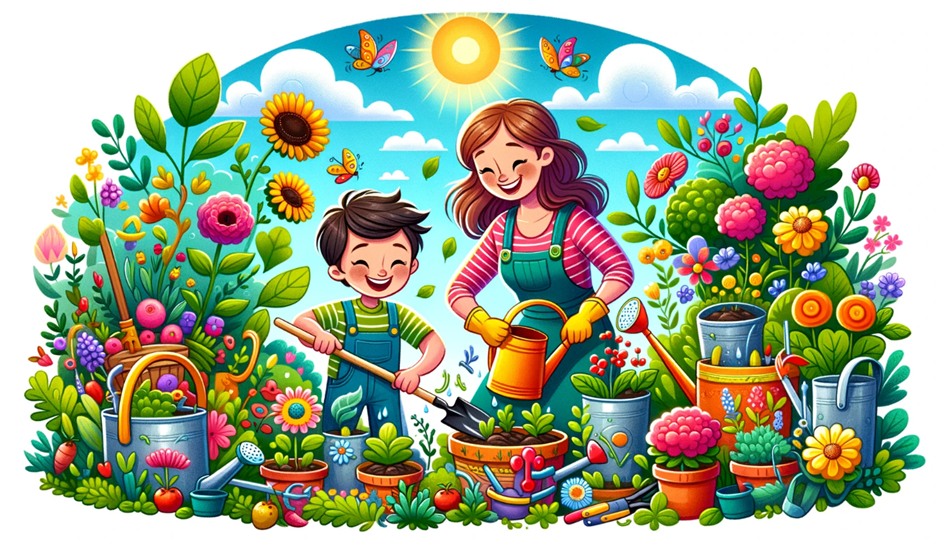
“Little Green Thumbs: The Wonders of Gardening with Your Young Ones”
November 20, 2023
Whistlewood Tales: The Magic of Speaking & Listening 🍃🐓🦌
November 21, 2023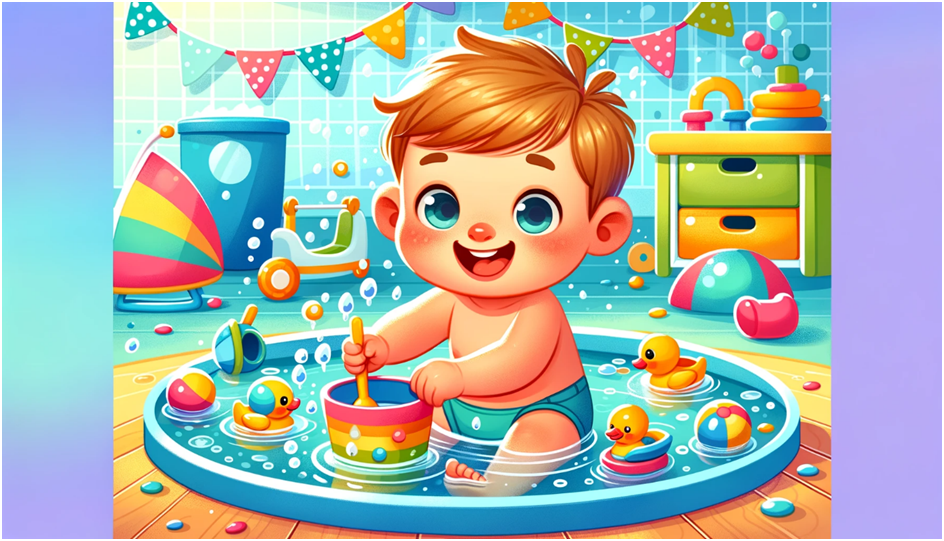
Hello, lovely parents and caregivers! Today, let’s dive into the delightful and educational world of water play for toddlers. Water play isn’t just a fun way to splash around; it’s a fantastic opportunity for learning and development.
Sensory Exploration
Water play offers a unique sensory experience. Feeling the water, watching it flow, and hearing the splashes can be both exciting and calming for toddlers. This kind of sensory play is crucial in early childhood, helping to develop cognitive skills, motor skills, and problem-solving abilities.
Enhancing Motor Skills
Pouring, scooping, and splashing help in developing both fine and gross motor skills. These activities strengthen hand-eye coordination and dexterity. For little ones, simple actions like gripping a cup or pouring water from one container to another are significant milestones in motor development.
Learning Basic Concepts
Water play is a natural and engaging way to introduce basic concepts such as full and empty, heavy and light, float and sink. As children play, they start understanding these concepts in a practical, hands-on way. It’s learning through play at its best!
Boosting Creativity and Imagination
Give a child a container of water and a few simple tools, and watch their imagination take over! They can pretend to cook, go fishing, or even create a mini rainstorm. This kind of imaginative play is not just fun; it’s essential for creative thinking and problem-solving skills.
Encouraging Social Skills
When children engage in water play together, they learn valuable social skills. They learn to share tools, take turns, and play cooperatively. It’s also a wonderful opportunity for them to communicate and express their ideas and feelings.
Emotional Benefits
Water play can be incredibly soothing and therapeutic. It can help manage big emotions, providing a calming effect on children who might be feeling overwhelmed or anxious. It’s a gentle way to unwind while still engaging in meaningful play.
Tips for Safe and Fun Water Play
Safety first – always supervise children during water play. Use just enough water to have fun but be safe. You can set up a water play area in a shallow tub, a sink, or even a small inflatable pool. Add cups, spoons, sponges, and other safe household items for extra fun.
Conclusion
Water play is a simple yet effective way to support your toddler’s development. It’s an activity that combines learning, creativity, and fun. So, fill up a basin, head outside, and let the splish-splash learning adventure begin!
Disclaimer: This blog is for informational purposes only and should not be considered as professional advice. Always consult with a healthcare or educational professional for personalized guidance.