The Wonderful World of Words: Nurturing Early Language Development in Your Little Ones
November 20, 2023
“Little Green Thumbs: The Wonders of Gardening with Your Young Ones”
November 20, 2023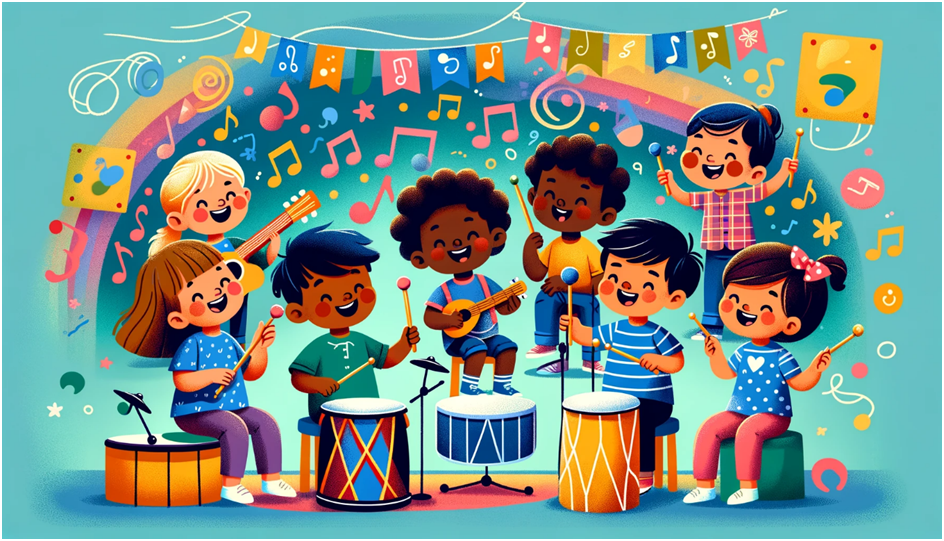
Greetings, amazing parents and caregivers! Today, we’re diving into the melodious world of music and its incredible impact on early childhood development. Music is not just a source of entertainment; it’s a powerful tool in shaping young minds and hearts.
The Rhythm of Learning
From lullabies to playful songs, music is a universal language that resonates with children from a very young age. It’s fascinating to see how even infants respond to melodies, rhythm, and the sound of singing. These early interactions with music are not just fun; they are building blocks for various developmental areas.
Cognitive Benefits
Music stimulates the brain in unique ways. Engaging with music helps enhance memory, attention, and even spatial-temporal skills, which are crucial for tasks like problem-solving. Simple songs that involve counting or identifying objects can be fun and educational at the same time.
Emotional Connection
Music is a wonderful medium for expressing emotions. It can be uplifting, soothing, or energizing. For young children, experiencing different types of music helps them understand and express their own emotions. Singing a calm song at bedtime or a lively tune during playtime can set the mood and help children learn about feelings.
Social Development
Music often brings people together, and this is true for little ones as well. Participating in group music activities, like singing or dancing together, can enhance social skills. It teaches them about taking turns, listening to others, and being part of a community.
Language and Literacy
Songs are a fun way to develop language skills. The repetitive and rhyming nature of many children’s songs makes them easy to remember and helps with language acquisition. Singing slows down language, allowing children to hear the different sounds that make up words, which is an essential skill for learning to read.
Encouraging Musical Exploration
You don’t need to be a musician to incorporate music into your child’s life. Simple activities like singing together, clapping to a rhythm, or even making homemade instruments can be immensely beneficial. Exposure to a variety of music genres also broadens their auditory experience.
Remember: Fun Comes First
The most important thing is to keep musical experiences fun and pressure-free. It’s about exploration and enjoyment, not performance. Let your child lead the way in their musical journey – you might be surprised where it takes you both!
Conclusion
Incorporating music into your child’s daily routine can be a joyful and enriching experience. It’s not just about nurturing the next Mozart; it’s about enhancing their development in a holistic and harmonious way. So, turn up the tunes and let the music play!
Disclaimer: This blog post is intended for informational purposes only and should not be considered as professional advice. Consult with a healthcare or educational professional for personalized guidance.